Part Two
The Crossing
The count: 14 set out
The warren is gone. All they have is the west, and a bedtime story for a map.
Stop 1
The hedgerow
Stop 1 · The hedgerow · Chapter 9
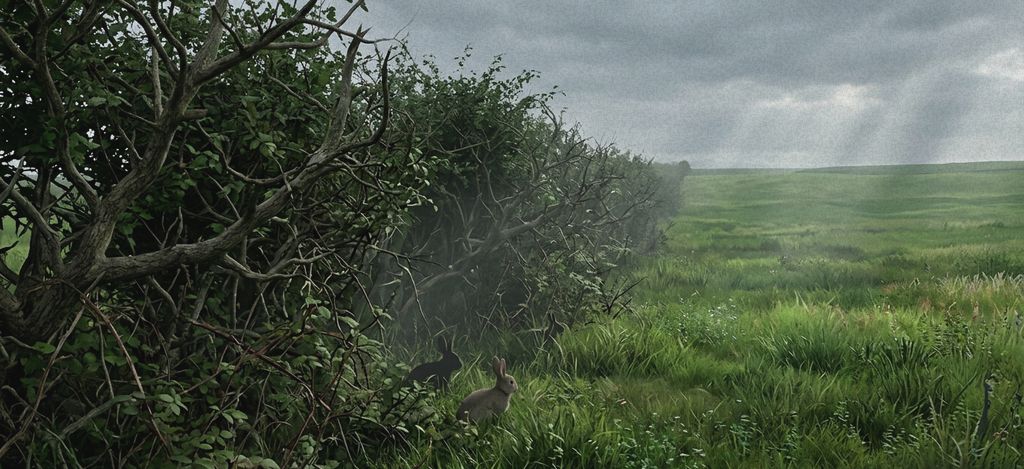
A hedgerow runs west, so Fern follows it: hedge to hedge, ditch to ditch, keeping them hidden. By midday the band is flagging, and she finds them shelter of a sort: a fallen oak beside a ploughed field, its roots torn up by some long-ago storm.
…cover was the only currency that mattered…

Stop 2
The sky at night
Stop 2 · The fallen oak · Chapter 10
They have lived underground all their lives. Tonight, under the fallen oak, they have the whole sky. One yearling looks up and says it’s big. Another says it’s very big.
“It’s approximately infinite. Try not to think about it.”

Stop 3
The fox
Stop 3 · The pipe · Chapter 11


Pre-dawn, grey and shadowless. Fern is on watch when the scent hits her: fox. Fresh. Close. It steps out from the field’s edge, russet as autumn leaves, placing every foot exactly.
Beautiful in the way that death was beautiful when it moved without waste.
Behind her the band sleeps in the open, with nowhere to bolt. So Fern breaks cover and runs: away from them, across the fox’s line, the easier target. She jinks left. Right. The field is running out. Then a concrete pipe, sunk into the bank, its mouth hardly wider than she is.
She dives.
Stop 4
Where the forest was
Stop 4 · The estate · Chapter 12
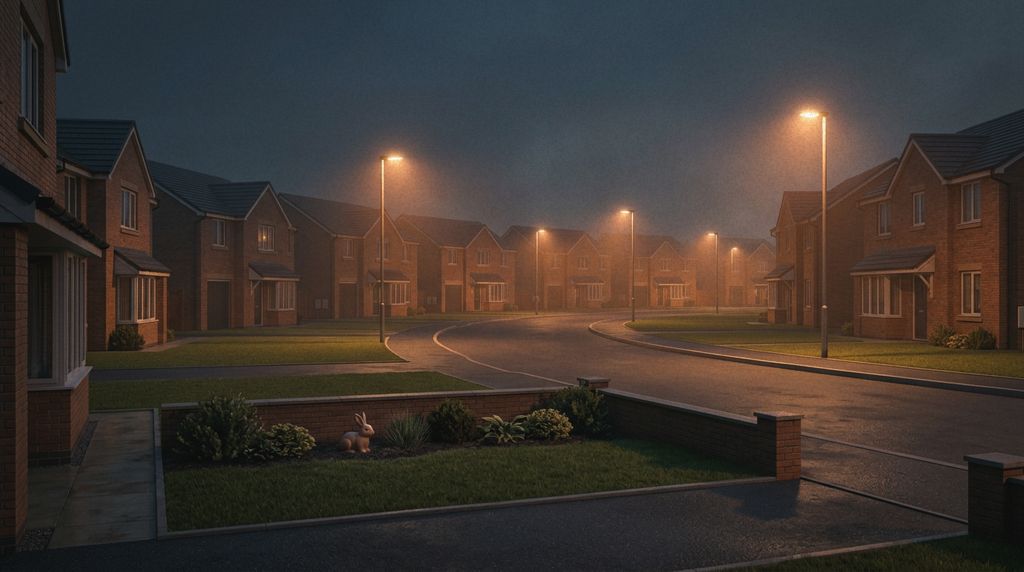
Thistle’s stories put an ancient wood here: three hundred oaks, and a name for every one. There is a housing estate instead. Nettle counts the houses. About three hundred.

Behind one house, a hutch: pale, plump pets, their fur brushed smooth. One looks up and asks what they are doing out there. Bracken tells it they live out here.
“That sounds terrible.”
“They have pellets in here,” says the other, without looking up. “Different flavours.”

In a flower bed, a plastic rabbit: pink ears, painted eyes, a fixed smile. Nettle stops in front of it.
“That’s us,” he says, quietly.
“That’s what they think we are.”
Stop 5
Eight seconds
Stop 5 · The motorway · Chapter 14
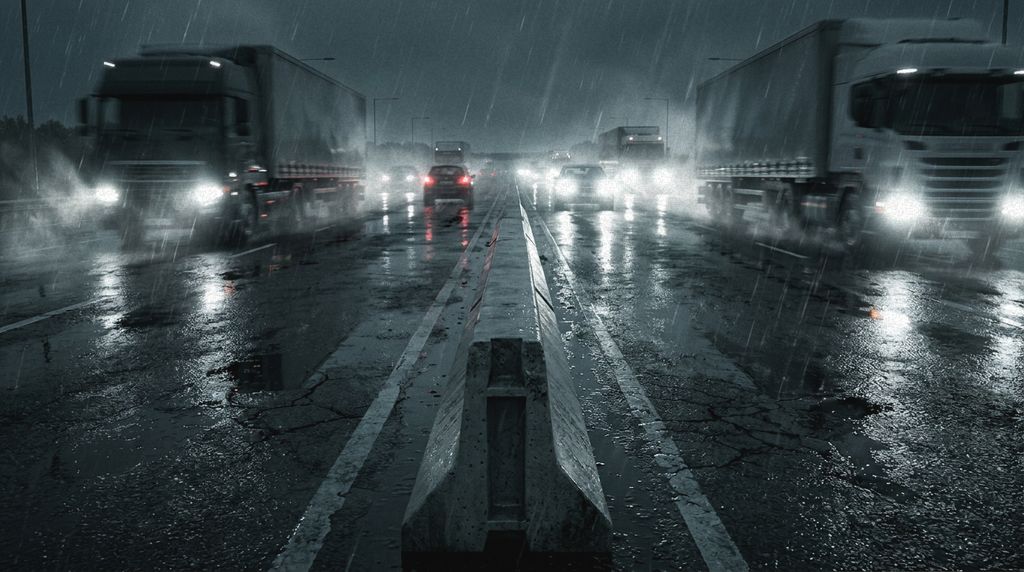
They hear it before they see it: a pressure that flattens their ears and hums in their teeth. Below the embankment, six lanes of light run both ways, three and three, with a strip of concrete down the middle.
Nettle sits down to think, resting his bad leg, and watches the traffic until he finds the pattern.
Clump. Then gap. The gaps are between six and ten seconds. Average eight.
Three crossings, one group at a time. Fern takes the first as far as the central reservation.
Watch Nettle’s count. When a gap opens, press Now: each press takes Fern’s group across one lane. A press in the traffic only holds them.




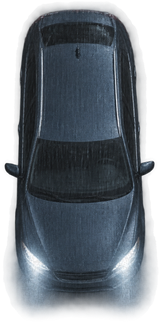
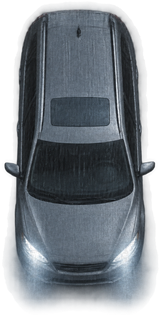
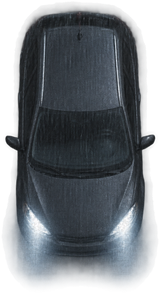
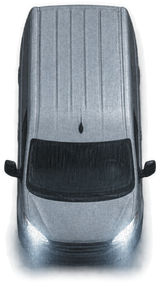
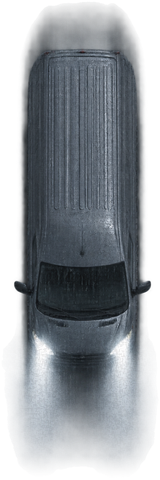
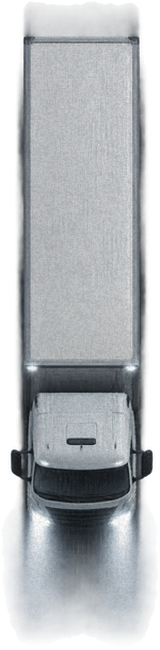

Watching the road
Fern waits for the gap, then runs: the first lane, the second, the third, and concrete.
On the central reservation, flat to the concrete, Sorrel asks if they are across.
- “Halfway.”
- “That’s the worst possible answer.”
Two more crossings. Bracken goes last, because if someone freezes, he’s the one who’ll go back for them.
Chapter 15 is the crossing.
Stop 6
The rapeseed and the farm
Stop 6 · The rapeseed · Chapters 16 and 17
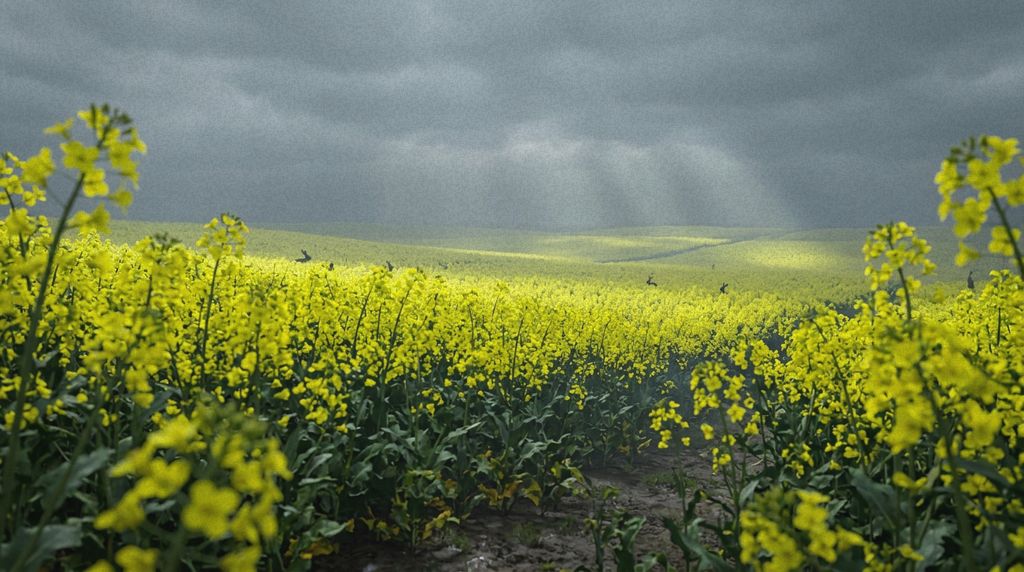
Then rapeseed, a yellow too bright to be real under a grey sky. By afternoon, rain: the heavy, relentless English kind.

Stop 6 · The barn · Chapter 17
They find a barn. Stone walls, a slate roof drumming with rain, hay stacked like a small gold city. Dry, at last. And not empty.
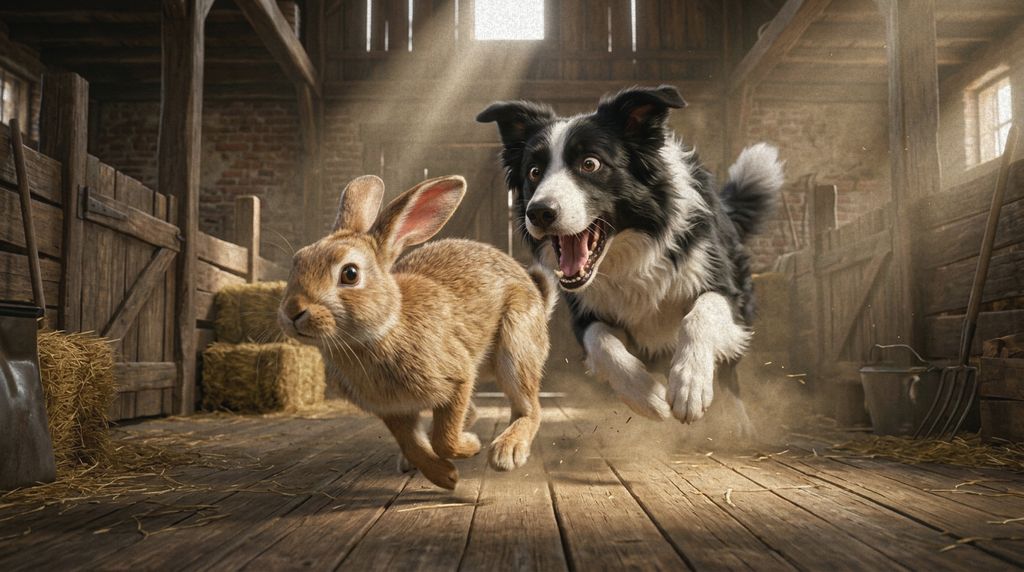


Rain drums on the slate. The hay is warm, and the rabbits are laughing.
Stop 7
Thistle’s doubt
Stop 7 · The old beech · Chapter 18
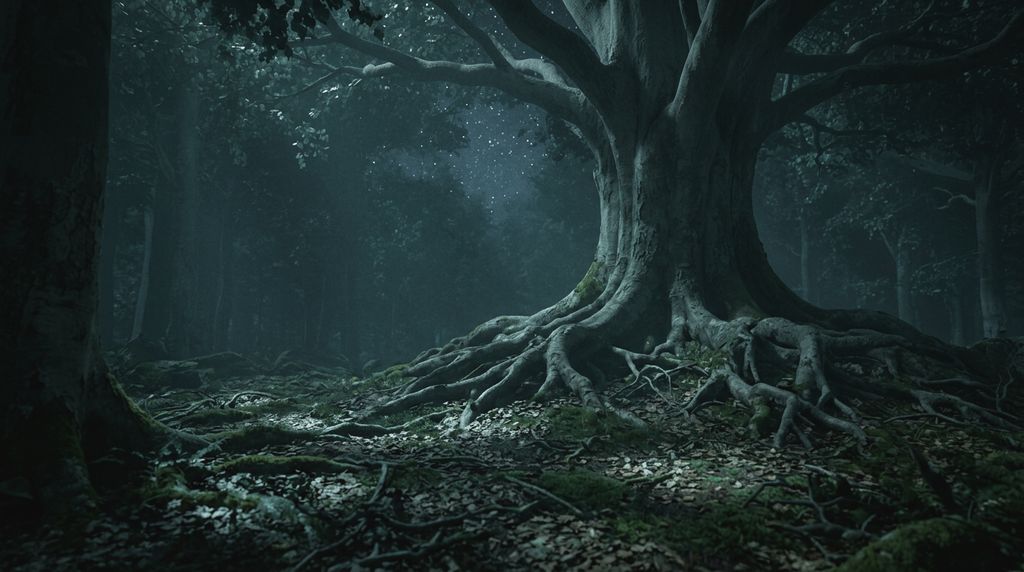
Night, under a beech. Thistle’s stories were wrong about the forest; now she fears Briar Hill is gone too, and that she has sent them west for nothing. Fern asks her for a story anyway.
- “So you want me to lie.”
- “A story isn’t a lie just because the details are wrong. A story is a direction.”

Stop 8
The ridge
Stop 8 · The chalk ridge · Chapter 18
The ridge waited on the horizon, its white chalk face catching the starlight like a promise or a lie.
Part Three begins on the far side.
Every morning, someone has to go first.